Introduction
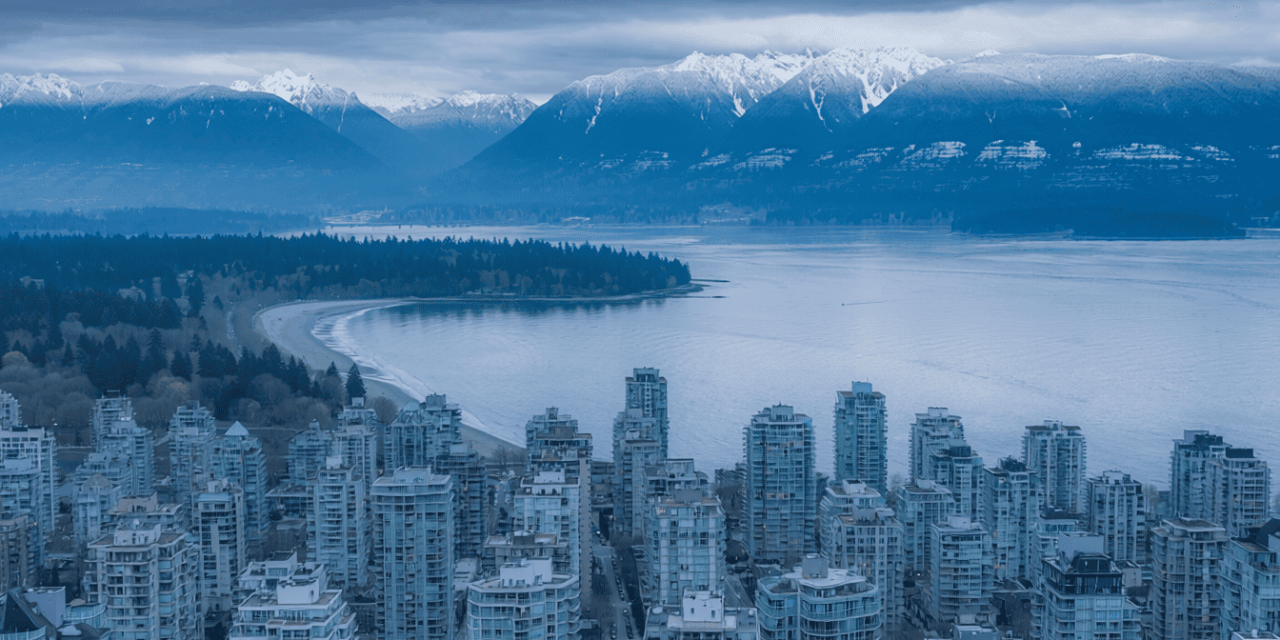
Vancouver has long held the distinction of being one of the most expensive real estate markets in North America, if not the world. For decades, skyrocketing prices have made homeownership increasingly out of reach for average British Columbians. But as we move through 2026, there are growing signs that the market may finally be experiencing a meaningful correction — or at least a prolonged period of price stability.
In this article, we examine the latest data on Vancouver housing prices, the factors driving any potential cooling, and what this means for buyers, sellers, and renters in the Vancouver metropolitan area.
Current Price Trends
According to the Real Estate Board of Greater Vancouver, benchmark home prices across Metro Vancouver have seen a modest decline of approximately 4% to 6% from their peak in early 2022. While prices remain extraordinarily high by any objective measure — detached homes in cities like West Vancouver and Richmond regularly exceed $2 million — the direction of the trend is notable.
Condominiums, which are the most accessible entry point for buyers in Metro Vancouver, have seen relatively less price movement. Demand for condos remains strong, driven by young professionals, downsizers, and investors. However, the condo market is not immune to broader economic pressures, and sales volumes have declined compared to peak years.
Factors Contributing to the Cooling
Several factors are converging to take some heat out of Vancouver’s housing market. The federal government’s foreign buyer ban, extended and reinforced, has removed a segment of demand that was a subject of significant public debate. Foreign investment, while not the sole driver of Vancouver’s high prices, was a contributing factor, and its reduction has had a measurable effect.
Additionally, British Columbia has introduced a series of measures aimed at improving housing affordability, including the Speculation and Vacancy Tax, increased property transfer taxes on luxury properties, and zoning reforms to allow higher-density residential development near transit corridors. These measures are beginning to have a cumulative effect on market dynamics.
The Rental Market Connection
One aspect of Vancouver’s housing market that remains stubbornly hot is the rental sector. Vacancy rates in Metro Vancouver remain near historic lows, and average rents for a one-bedroom apartment have surpassed $2,500 per month in many neighbourhoods. This dynamic creates a complicated situation for prospective buyers.
High rents make saving for a down payment difficult, even as home prices ease slightly. At the same time, for those who already own investment properties, strong rental income continues to support the case for holding real estate rather than selling, which constrains listing supply and puts a floor under prices.
Should You Buy in Vancouver in 2026?
The answer depends on your personal financial situation, time horizon, and motivations. For those planning to live in Vancouver for the long term, buying may still make sense despite high prices, particularly if mortgage payments are comparable to what you would pay in rent. For investors or speculators looking for short-term gains, the risk-reward ratio has become less favourable.
It is important to work with a qualified mortgage broker and a trusted real estate agent before making any decisions. Vancouver’s real estate market is complex, with significant variation by neighbourhood, property type, and micro-market conditions.
Conclusion
Vancouver housing prices in 2026 show signs of moderation, but the market remains among the most expensive in Canada by a wide margin. Whether this cooling trend continues, deepens into a genuine correction, or reverses as demand reasserts itself remains to be seen. What is clear is that buyers and sellers alike must navigate this market with more caution and information than ever before.