Overview of the Legislation
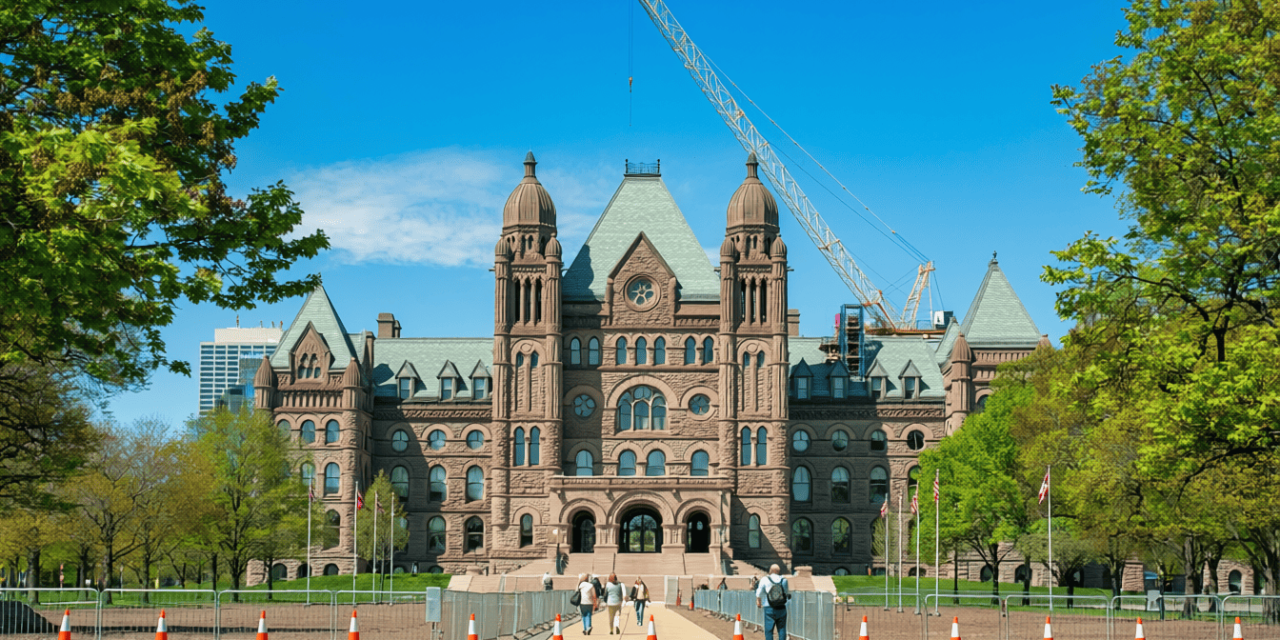
Ontario’s More Homes Built Faster Act (Bill 23), passed in late 2022, represented one of the most significant overhauls of provincial land use and planning legislation in recent memory. The legislation was aimed at addressing Ontario’s housing supply crisis by streamlining development approvals, reducing development charges, reforming zoning rules, and enabling higher-density housing in more locations. By 2026, the impacts of the legislation are becoming clearer.
Key Changes
Among the most significant changes introduced by Bill 23 and subsequent amendments is the requirement for municipalities to allow up to three dwelling units on most urban residential lots as-of-right, without requiring rezoning. This allows homeowners to build secondary suites, laneway houses, and garden suites without lengthy municipal approval processes. This change alone has the potential to meaningfully expand rental supply in established residential neighbourhoods.
The legislation also made significant changes to development charges — the fees developers pay municipalities to fund growth-related infrastructure. Exemptions and reductions were introduced for affordable housing units, purpose-built rental housing, and other housing types deemed to support affordability. Municipalities argued these reductions would constrain their ability to fund growth-related infrastructure.
The Conservation Land Controversy
One of the most controversial elements of Bill 23 was the removal of certain conservation authority lands from protected status for planning purposes, opening these areas to potential development. This element generated significant opposition from environmental groups, conservation authorities, and many municipal officials, who argued it would lead to inappropriate development in sensitive natural areas.
Impact in 2026
By 2026, the full impact of More Homes Built Faster is still unfolding. Housing starts in Ontario have increased from their recent lows but have not reached the pace required to meet the government’s target of 1.5 million new homes by 2031. Implementation challenges, ongoing legal disputes between the province and some municipalities, and the lengthy time required for approved projects to reach completion mean that the policy effects will continue to be felt incrementally over coming years.