The Core Strategic Debate
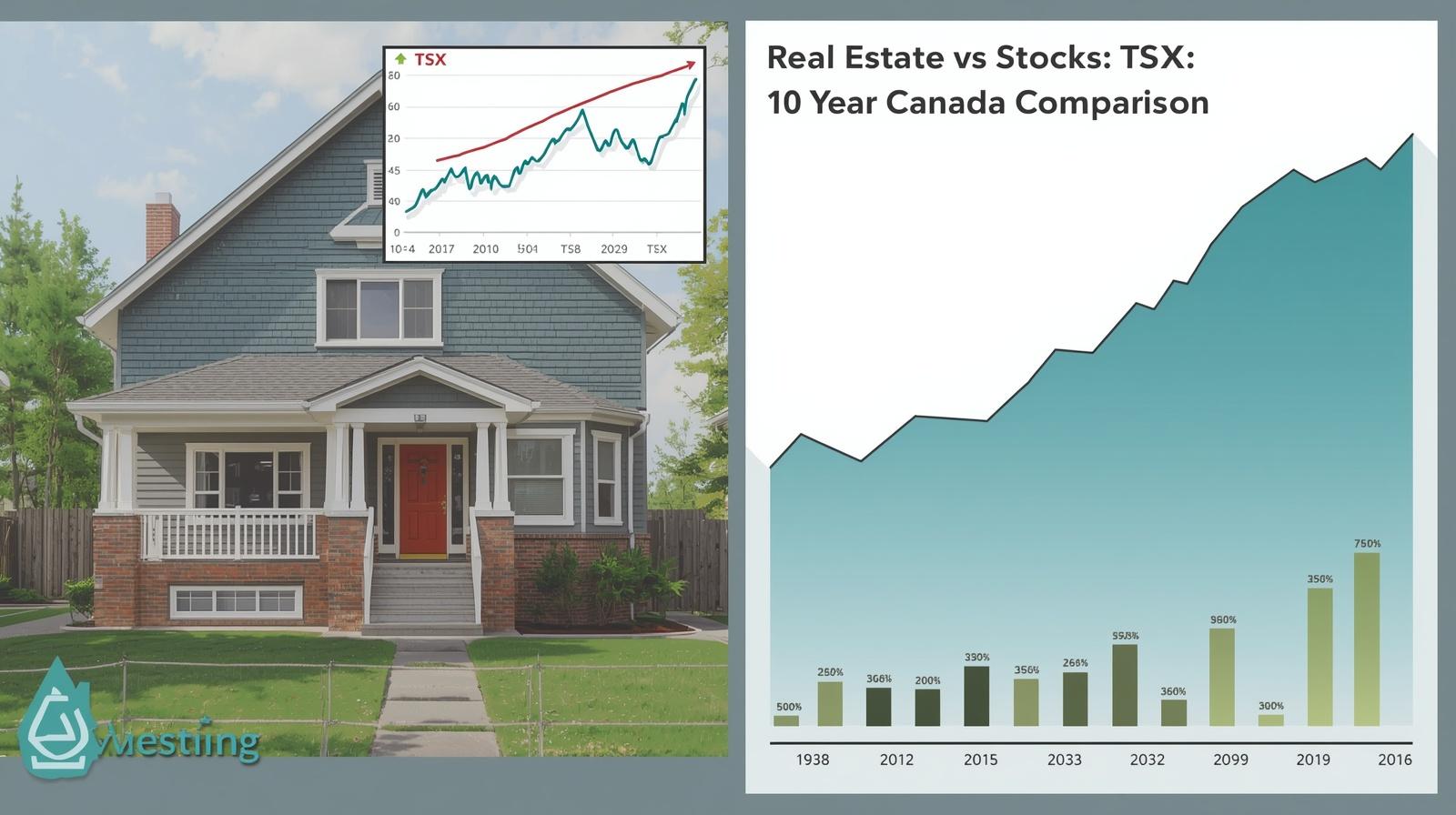
One of the most fundamental debates in Canadian real estate investment is whether to prioritize cash flow (monthly rental income exceeding expenses) or appreciation (the long-term increase in property value). This is not just a tactical question — it reflects fundamentally different investment philosophies with different risk profiles, capital requirements, and outcomes.
The Cash Flow Approach
Cash flow-focused investors prioritize properties where rental income meaningfully exceeds all expenses, including mortgage payments, property taxes, insurance, maintenance, and property management fees. This approach generates income from the first month of ownership, provides insulation against market downturns (because you are not dependent on price appreciation to generate a return), and produces a more predictable and calculable investment outcome.
The challenge of the cash flow approach in most major Canadian markets is that low cap rates make it very difficult to achieve meaningful positive cash flow without an extremely large down payment. Investors focused on cash flow often need to look beyond Toronto and Vancouver to markets like Edmonton, Moncton, or Sudbury where property prices are lower relative to rents.
The Appreciation Approach
Appreciation-focused investors accept thin or even negative cash flow (sometimes called ‘negative gearing’) in exchange for access to markets where they expect strong long-term price growth. Many of Canada’s most successful real estate investors have become wealthy through appreciation in Toronto and Vancouver, accepting years of negative monthly cash flow in exchange for capital gains that have far exceeded their carrying costs.
The risk of this approach is significant: if appreciation does not materialize as expected, or if the investor needs to sell during a market downturn, the lack of cash flow provides no buffer. Investors who are negatively geared are also vulnerable to interest rate increases that can push carrying costs higher.
The Best of Both Worlds
The most balanced approach for most Canadian real estate investors in 2026 is to seek properties that offer the best combination of reasonable cash flow, achievable with a practical down payment, in markets where long-term appreciation fundamentals are also sound. This might point investors toward secondary markets — medium-sized cities with growing populations and diverse economies — that offer better yields than Toronto or Vancouver without sacrificing long-term capital growth prospects entirely.