The Demographic Driver
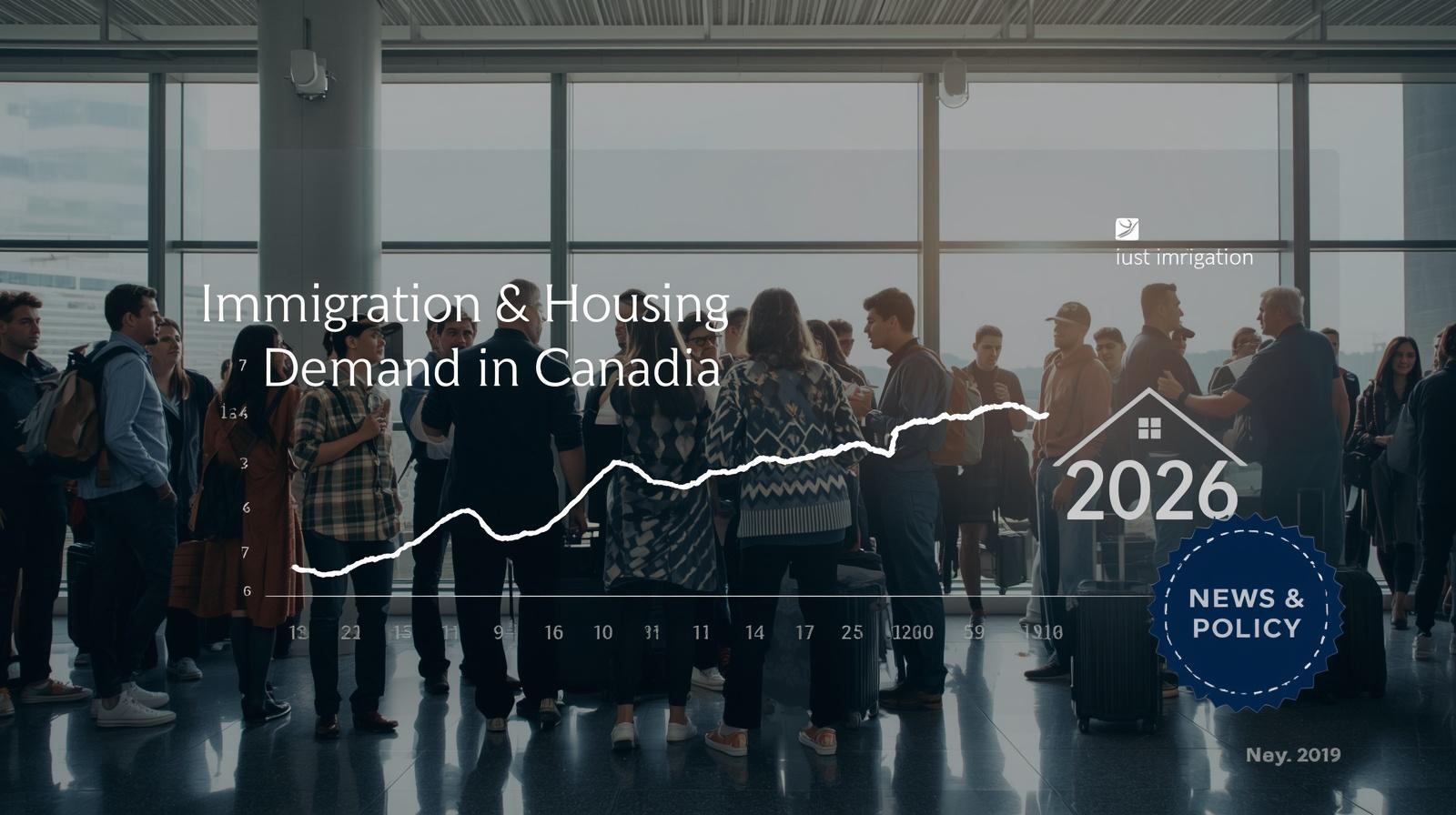
Canada’s housing demand is shaped fundamentally by population growth, and population growth in Canada is shaped fundamentally by immigration. With one of the world’s most ambitious permanent immigration programs — targeting over 400,000 new permanent residents annually — Canada is adding population at a rate that places consistent, strong pressure on housing markets in destination cities.
Where Immigrants Settle
New immigrants to Canada are not distributed evenly across the country. The Greater Toronto Area, Greater Vancouver, Calgary, and Ottawa-Gatineau together receive the large majority of new arrivals, concentrating demand pressure in markets that are already supply-constrained. This concentration amplifies the housing market impact of immigration beyond what aggregate national statistics suggest.
The Near-Term Rental Impact
Most newly arrived immigrants rent before purchasing, reflecting the time required to establish Canadian employment, savings, and credit history. This creates disproportionate pressure on Canada’s already tight rental markets, particularly in Toronto and Vancouver. With vacancy rates in these cities near historic lows, new arrivals face extraordinary competition for available units, driving rents higher and extending the period of financial uncertainty during the settlement process.
The Medium-Term Ownership Impact
As immigrants become established — typically one to five years after arrival — many become first-time homebuyers. This creates a sustained pipeline of demand that, given the scale of Canada’s immigration program, is substantial and ongoing. Analysis of Canadian real estate markets suggests that immigrant homebuyer demand is a significant structural support for home prices in major markets, particularly in communities where specific immigrant groups have concentrated and established strong social and cultural networks.
The Policy Debate
The intersection of immigration and housing has become one of Canada’s most politically charged policy debates. Some argue that immigration levels should be moderated until housing supply can catch up with demand. Others contend that immigration is essential to Canada’s economic and demographic future and that the solution is more aggressive housing supply growth rather than reduced immigration. As of 2026, the federal government has modestly reduced immigration targets from their previous peaks while accelerating housing supply investments — a response that attempts to address both sides of the equation.