What Are Property Taxes?
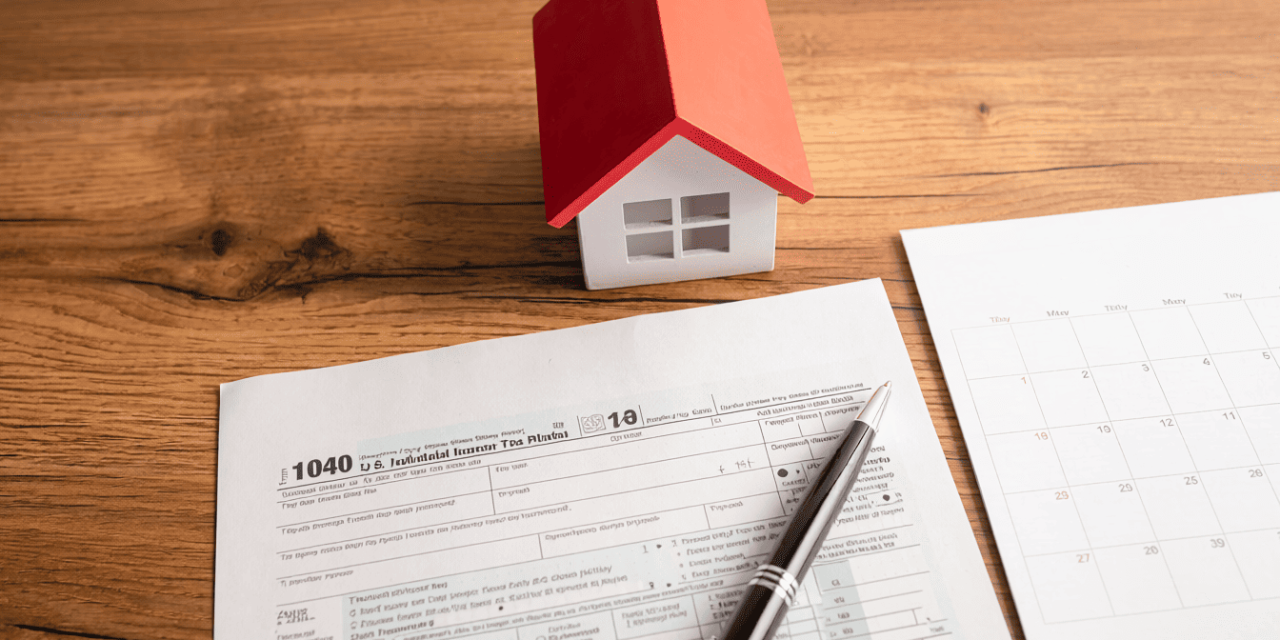
Property taxes in Canada are levied by municipal governments on owners of real property — land and buildings. They are a primary source of funding for local government services including schools, roads, waste management, parks, libraries, and emergency services. As a newcomer considering homeownership in Canada, understanding how property taxes work is an important aspect of financial planning.
How Are Property Taxes Calculated?
Property taxes are calculated by multiplying the assessed value of a property by the municipal tax rate, often expressed as a mill rate (dollars of tax per thousand dollars of assessed value). The assessed value is determined by the provincial assessment authority — MPAC in Ontario, BC Assessment in British Columbia, SAMA in Saskatchewan, and equivalent bodies in other provinces. Assessments are intended to reflect market value and are updated periodically.
As a simple example: if your home is assessed at $500,000 and the combined municipal and education tax rate is 0.8%, your annual property tax bill would be approximately $4,000. Tax rates vary significantly between municipalities — Toronto, for instance, has one of the lowest residential property tax rates among Ontario municipalities, while smaller cities and rural areas often have higher rates.
When and How Do You Pay?
Property taxes are typically billed annually or semi-annually by your municipality. Many homeowners choose to pay through their mortgage lender, who collects an estimated amount as part of the monthly mortgage payment and remits the property tax to the municipality on the homeowner’s behalf. This ensures taxes are paid on time without requiring a large lump-sum payment.
Additional Property-Related Taxes
Beyond regular annual property taxes, Canadian property owners may be subject to additional tax obligations. In Ontario, newly built homes are subject to HST (though rebates are available for primary residences). In some municipalities, there are special levies or local improvement charges for specific infrastructure projects. Properties left vacant in certain cities — particularly Toronto and Vancouver — may be subject to a vacancy tax.
Tax Relief Programs
Most Canadian provinces have property tax relief programs for seniors, low-income households, and sometimes newcomers facing financial hardship. These programs may offer rebates, deferrals, or exemptions for qualifying homeowners. Check with your municipal government for available programs and eligibility criteria.