Overview
The Toronto real estate market in 2026 continues to be one of the most closely watched housing markets in North America. With a combination of population growth, immigration-driven demand, and limited housing supply, the Greater Toronto Area (GTA) remains both a challenge and an opportunity for buyers, sellers, and investors alike.
As of early 2026, average home prices in Toronto have stabilized compared to the volatile swings seen between 2020 and 2023. However, affordability remains a persistent concern, and buyers entering the market today must be more strategic than ever. Understanding the key trends shaping the market is essential before making one of the most significant financial decisions of your life.
Current Market Conditions
The Bank of Canada’s interest rate adjustments over the past two years have had a notable impact on purchasing power. With rates gradually moderating, buyer confidence has returned to the market, particularly among first-time homebuyers who had been waiting on the sidelines. Multiple offer situations, while less common than during the pandemic frenzy, are still present in desirable Toronto neighbourhoods such as Leslieville, The Beaches, and Leaside.
Detached homes in the City of Toronto average well above $1.3 million, while semi-detached homes hover around $1.1 million. Condominiums, which saw a softening in 2024 and 2025 due to oversupply concerns, are showing signs of recovery as rental demand remains high and new construction timelines stretch out.
Supply and Demand Dynamics
One of the most critical factors driving Toronto’s housing market is the persistent imbalance between supply and demand. Canada welcomed over 400,000 new permanent residents in 2025, and a significant portion of them settled in Ontario, particularly in the GTA. This immigration-fueled demand shows no sign of slowing, as federal immigration targets remain ambitious for the coming years.
On the supply side, while provincial and municipal governments have introduced various policies to accelerate housing construction under initiatives like the More Homes Built Faster Act, the pace of new builds still lags behind demand. Construction costs, labour shortages, and lengthy approval processes continue to constrain the pipeline of new homes reaching the market.
What Buyers Should Do in 2026
If you are considering buying in Toronto in 2026, preparation is key. Getting pre-approved for a mortgage before you begin your search will help you understand your budget and act quickly when the right property comes along. Working with an experienced buyer’s agent who knows the specific micro-markets within Toronto can give you a significant advantage.
Consider looking beyond the 416 area code. The 905 region, including cities like Mississauga, Brampton, Markham, and Vaughan, offers more inventory at relatively lower price points while still providing access to the broader GTA employment base. Many buyers are also considering Hamilton, Kitchener-Waterloo, and even London as viable alternatives as remote and hybrid work arrangements remain common.
Forecast for the Rest of 2026
Most real estate analysts expect the Toronto market to see modest price appreciation of between 3% and 6% through the remainder of 2026, assuming no major economic shocks. The spring market, historically the most active period for Toronto real estate, is expected to bring increased listing activity, which may give buyers more options and slightly more negotiating power compared to the tight conditions of recent years.
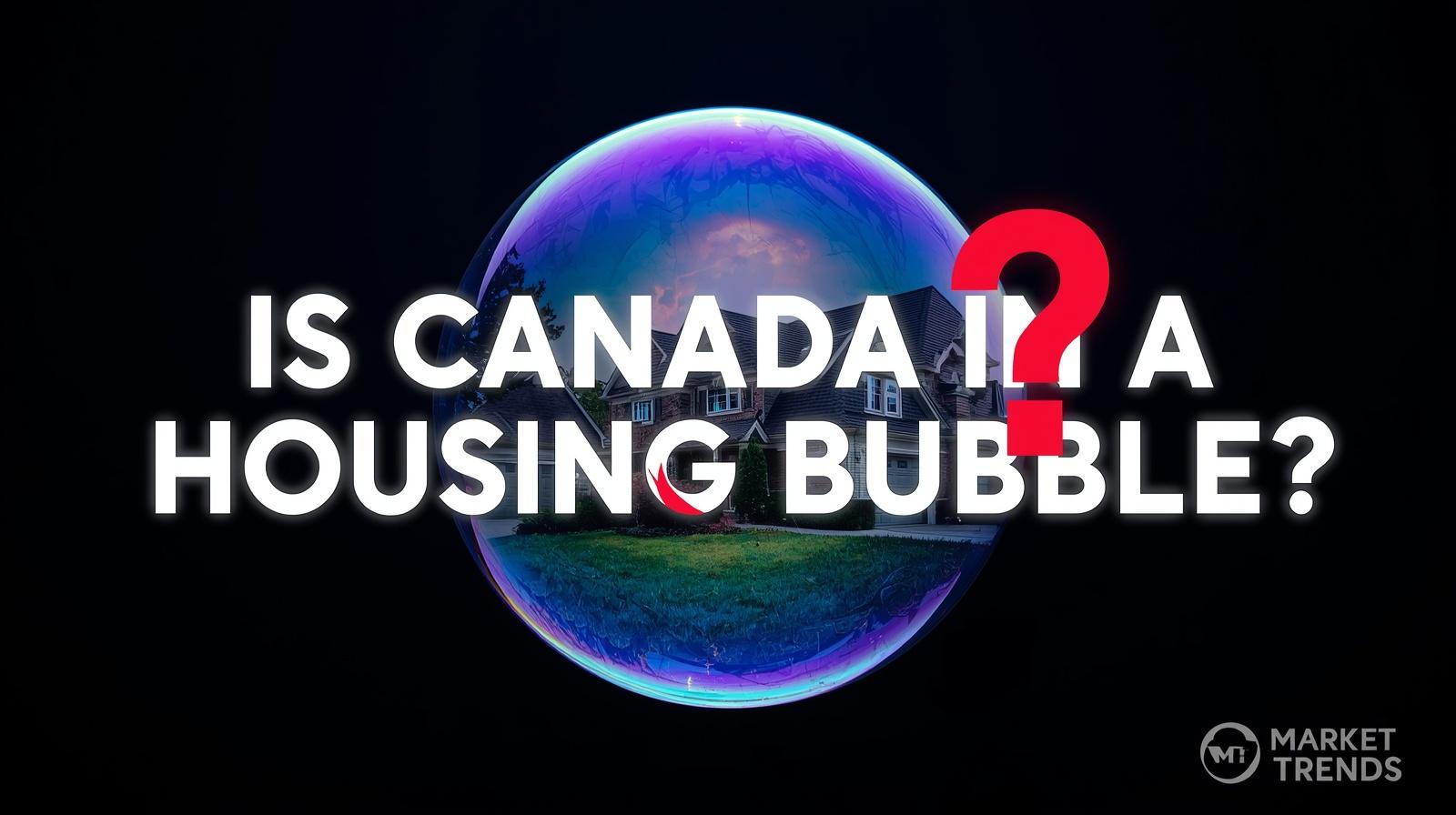
However, experts caution against expecting a significant correction. The fundamental drivers of demand — population growth, limited land supply, and strong employment — continue to underpin Toronto’s housing market. Buyers who are financially ready and find a property that meets their needs should not wait for a dramatic price drop that may never come.
Conclusion
The Toronto real estate market in 2026 is one of cautious optimism. Affordability challenges persist, but improving mortgage conditions, stable prices, and continued demand make this a market that rewards informed and prepared buyers. Whether you are a first-time buyer, upgrader, or investor, understanding the dynamics outlined in this article will help you navigate one of Canada’s most complex and rewarding real estate markets.