Introduction
In Canada, the relationship between landlords and tenants is governed by provincial legislation that establishes a framework of rights and responsibilities for both parties. While the specific rules vary by province, there are consistent themes across the country regarding what landlords can and cannot legally do. Both landlords and tenants benefit from understanding these rules clearly.
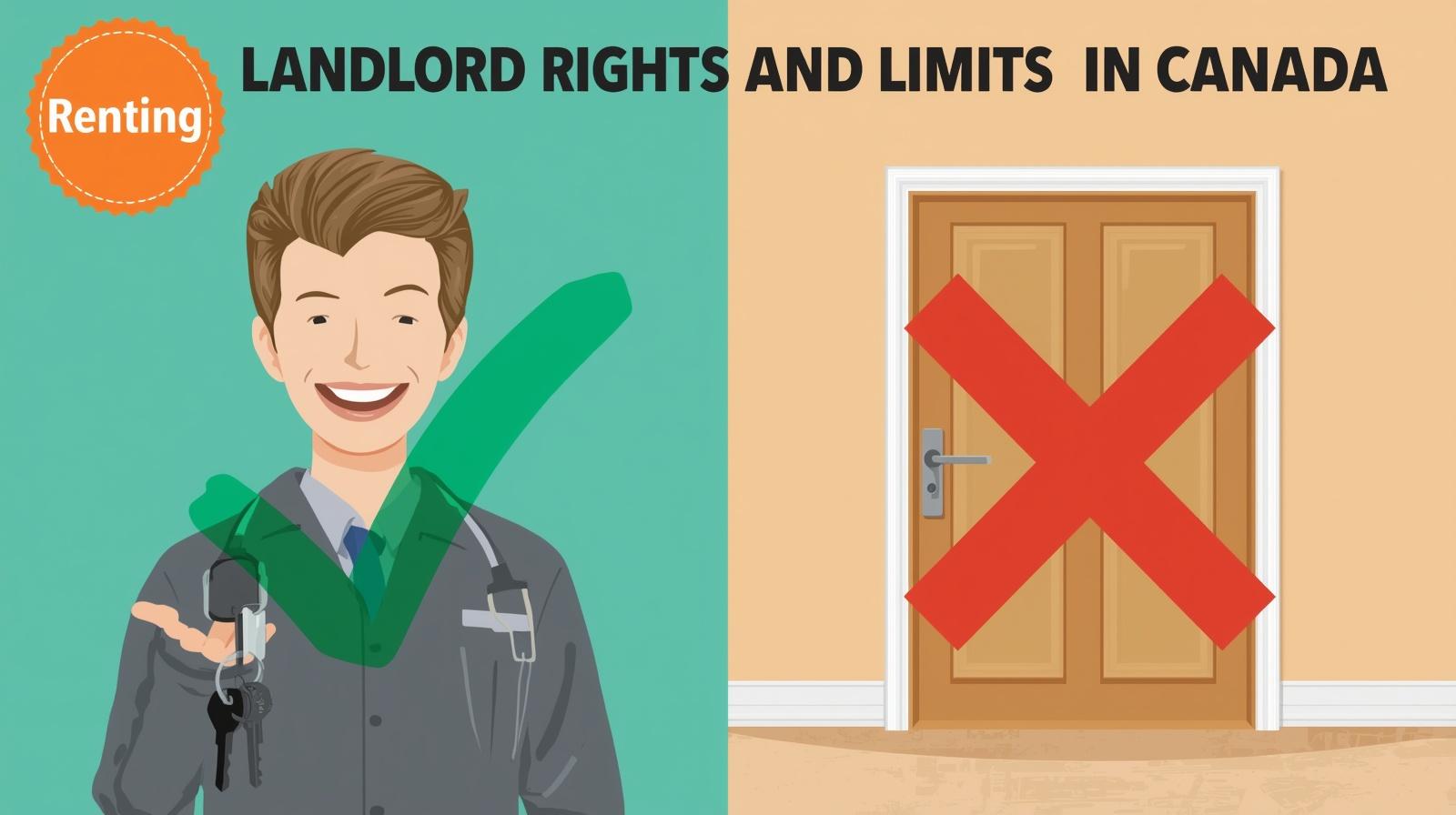
What Landlords CAN Do
Landlords have the legal right to collect rent as specified in the tenancy agreement and to enforce lease terms. They can screen potential tenants using credit checks, income verification, and references, subject to human rights laws that prohibit discrimination based on protected grounds. Landlords can enter the rental unit with proper notice (typically 24 hours) for inspections, repairs, or showings.
Landlords can apply to the appropriate tribunal or board in their province to evict tenants for specific legal grounds, such as non-payment of rent, damage to the property, illegal activity, or in some cases for personal use of the unit. They can charge the maximum allowable security deposit and last month’s rent deposit as permitted by their province’s legislation.
What Landlords CANNOT Do
Landlords cannot discriminate against prospective tenants based on protected grounds under the Canadian Human Rights Act and provincial human rights codes. These protected grounds include race, national or ethnic origin, colour, religion, age, sex, sexual orientation, gender identity, marital status, family status, and disability. Refusing to rent to someone because they have a child or because they receive social assistance is illegal in most provinces.
Landlords cannot harass tenants or interfere with their right to enjoy the rental unit. They cannot change locks without providing the tenant with a new key, cut off utilities, remove belongings, or otherwise attempt to force a tenant to leave without following the formal eviction process. These actions, sometimes called ‘illegal evictions’ or ‘renovictions,’ are prohibited and can result in significant legal consequences for landlords.
Rent Increase Limitations
In most Canadian provinces, landlords cannot raise rent above the allowable guideline for rent-controlled units without applying for above-guideline increases. They must provide proper written notice of any rent increase well in advance of the increase taking effect. Any rent increase that does not comply with the provincial rules is void and unenforceable.