The Growing Problem of Rental Fraud
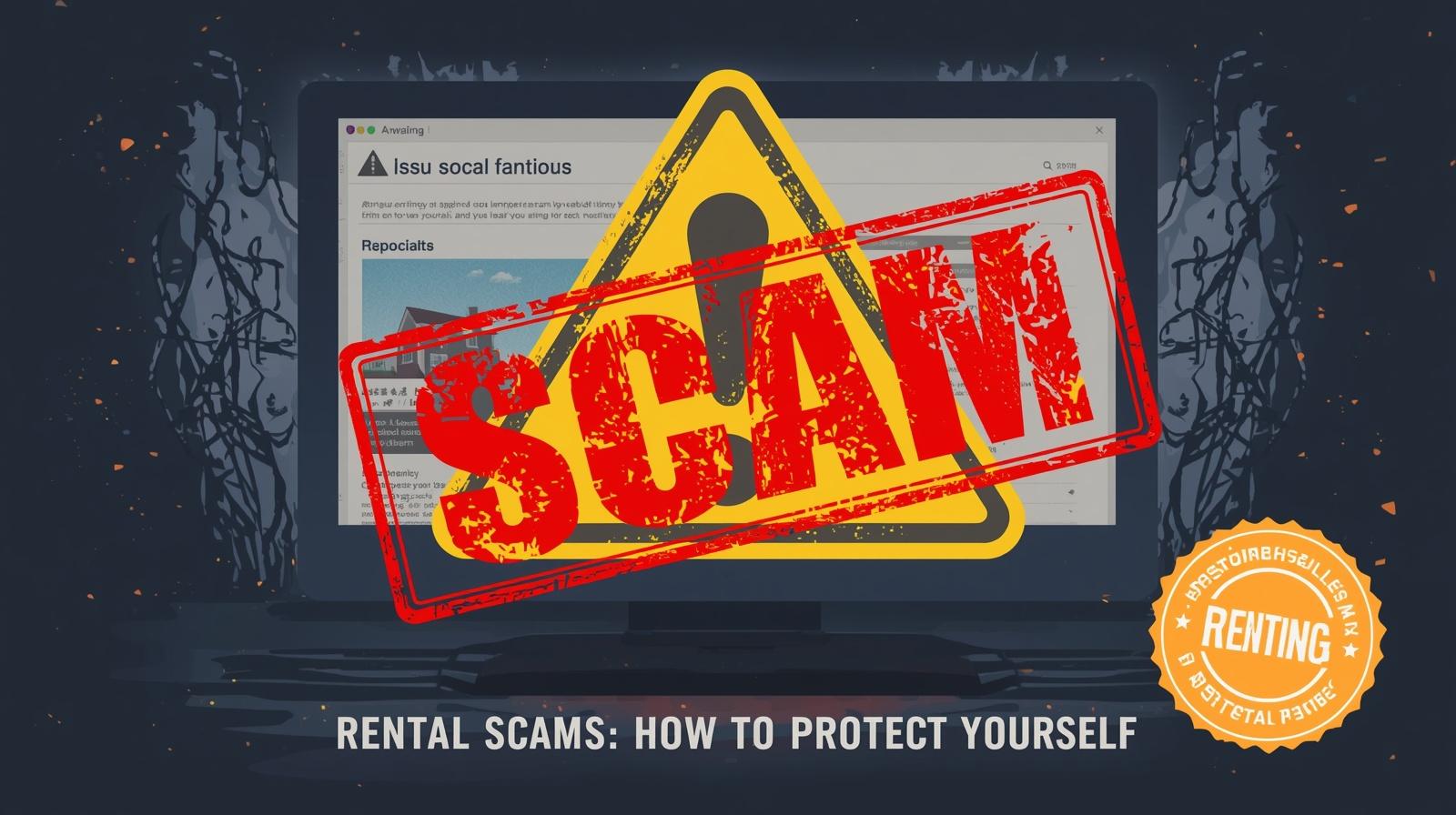
Canada’s tight rental market, with its low vacancy rates and high demand, has created fertile ground for rental scammers. Fraudulent rental listings are a growing problem in cities like Toronto, Vancouver, Calgary, and Ottawa, targeting desperate renters who are under pressure to secure housing quickly. Understanding how these scams work is the most effective defense against becoming a victim.
The Too-Good-to-Be-True Listing
The most common rental scam involves a listing that offers a desirable unit at a significantly below-market price. A clean, well-located two-bedroom apartment in downtown Toronto offered for $1,500 per month should immediately raise red flags — it is almost certainly fraudulent. Scammers set prices low to attract large numbers of responses and create urgency in desperate renters.
The Absent Landlord
Another common scam pattern involves a ‘landlord’ who claims to be out of the country or otherwise unavailable to show the property in person. They may provide photos of the unit (often stolen from legitimate listings or real estate websites), engage in extensive email or text communication, and eventually ask for a deposit or first and last month’s rent before the prospective tenant has ever seen the unit or met the landlord.
Never send money to anyone you have not met in person, for a property you have not physically visited. This rule, simple as it sounds, would prevent the vast majority of rental scam victims from being defrauded.
Red Flags to Watch For
Key warning signs of a rental scam include: pricing significantly below market; requests for payment via wire transfer, cryptocurrency, or gift cards; pressure to commit or send money before viewing the property; a landlord who is unavailable to meet in person; listings with poor grammar or inconsistent details; and a landlord who asks for personal information (SIN number, bank account details) before any viewing has occurred.
Protecting Yourself
Verify the listing by cross-checking the address on Google Maps to ensure the property exists as described. Search the property address to see if it appears on multiple listing services, which would confirm the identity of the actual owner. Use reputable rental platforms and be especially cautious with listings found on general classified sites. When in doubt, trust your instincts — if something feels wrong, it probably is.