The Great Canadian Debate
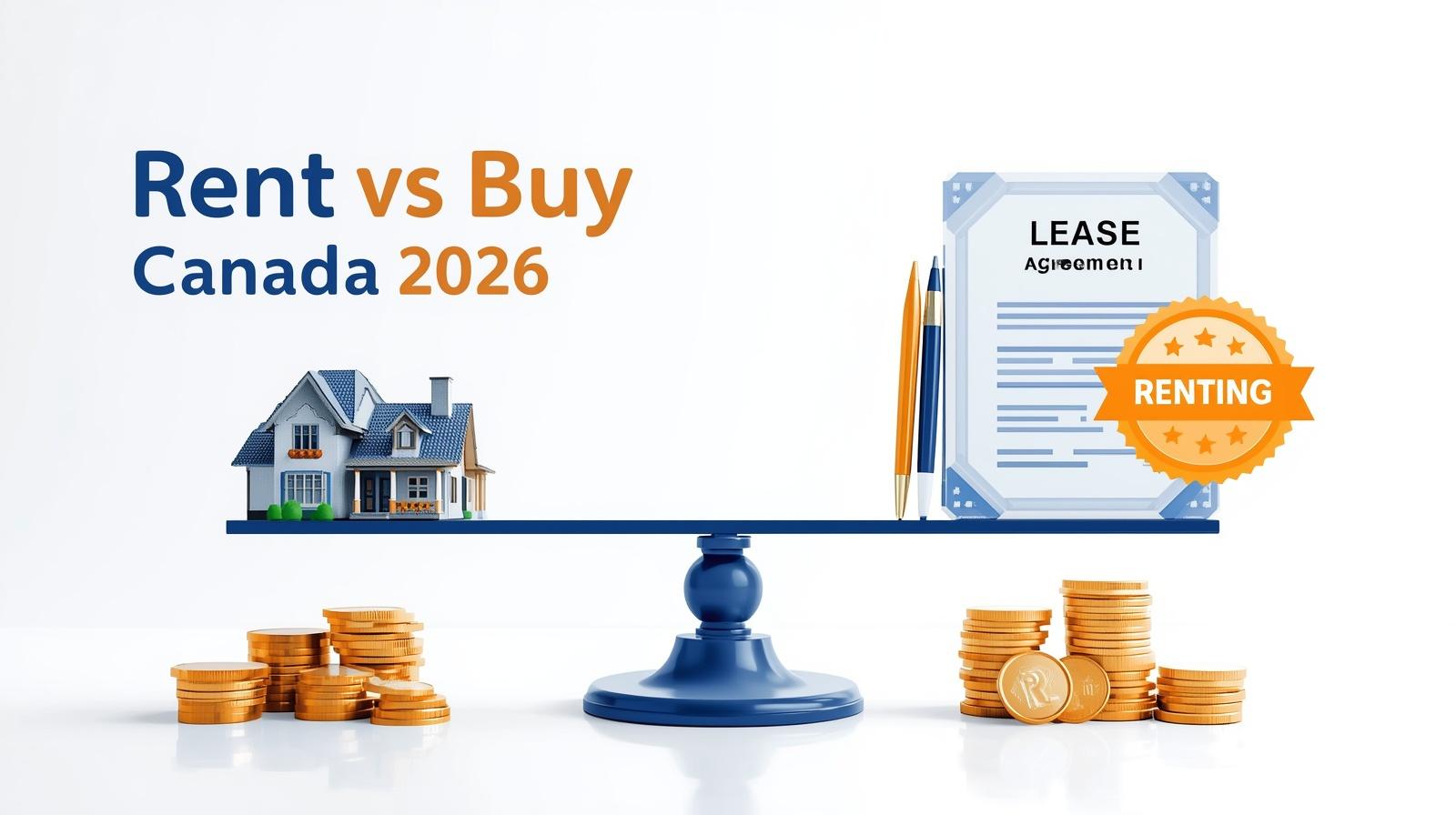
The question of whether to rent or buy a home is one of the most consequential financial decisions Canadians face. It involves not just financial calculations but also personal values, lifestyle preferences, and long-term goals. In 2026, with home prices still elevated in many markets and mortgage rates having moderated from recent peaks, the rent vs buy calculus has shifted somewhat but remains deeply context-dependent.
The Financial Case for Buying
The traditional argument for homeownership rests on building equity through mortgage repayment and benefiting from long-term price appreciation. Unlike rent payments, which transfer wealth to a landlord with no ownership benefit to the tenant, mortgage payments gradually build the homeowner’s equity in the property. Additionally, Canadian homeowners benefit from the principal residence exemption, which exempts capital gains on a primary residence from income tax — a significant financial advantage.
Over long time horizons, Canadian real estate has been an excellent wealth builder in most major markets. Homeowners who purchased in Toronto or Vancouver 20 years ago have seen extraordinary gains in the real (inflation-adjusted) value of their properties, gains that would not have accrued to renters regardless of how wisely they invested their savings.
The Financial Case for Renting
The case for renting in 2026 is stronger than it has been in many years, particularly in markets like Toronto and Vancouver where the monthly cost of owning (mortgage payments, property taxes, maintenance, condo fees) significantly exceeds the cost of renting a comparable unit. This ‘rent-buy gap’ means that a renter who invests the difference between renting and owning costs could potentially build comparable wealth through financial market investments rather than real estate.
Renting also provides financial flexibility. Without the transaction costs of buying and selling (typically 3% to 5% of home value on each side), renters can relocate easily for career opportunities. The liquidity of rented accommodation — the ability to move within 60 days rather than 90 to 120 days for a home sale — is a genuine financial and personal advantage.
Making the Right Decision for You
There is no universally correct answer to the rent vs buy question. Key considerations include your time horizon (buying generally makes more financial sense the longer you plan to stay), your financial capacity (down payment, income stability, debt levels), your local market conditions, and your personal values around stability, ownership, and flexibility. Consulting with both a financial advisor and a mortgage professional can help you make a decision grounded in your specific circumstances.