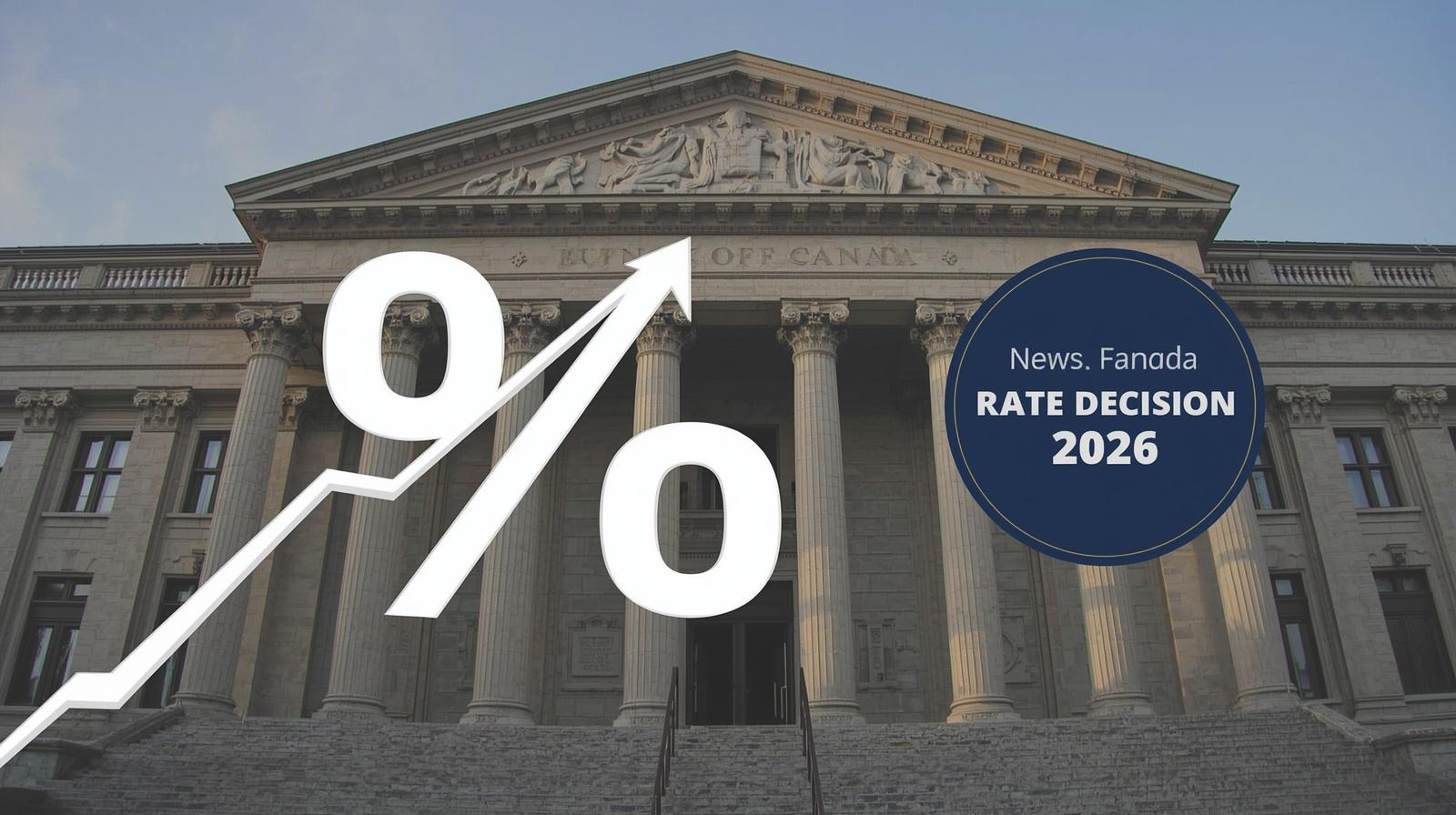
Overview of Recent Mortgage Rule Changes
Federal mortgage rules in Canada have undergone several significant changes in recent years, all aimed at improving housing accessibility for first-time buyers, increasing the supply of rental housing, and ensuring the long-term stability of Canada’s financial system. This comprehensive overview covers the most important mortgage rule changes in effect in 2026.
30-Year Amortizations for First-Time Buyers of New Builds
One of the most significant recent changes is the extension of the maximum insured mortgage amortization to 30 years (from the previous maximum of 25 years) for first-time homebuyers purchasing newly constructed homes. This change reduces required monthly payments on an insured mortgage, improving affordability and enabling more buyers to qualify. For a $600,000 insured mortgage, the difference between a 25-year and 30-year amortization reduces the monthly payment by approximately $200 to $300 at current rates, depending on the interest rate.
The Mortgage Stress Test in 2026
The mortgage stress test — which requires borrowers to qualify at the greater of their contracted rate plus 2% or OSFI’s minimum qualifying rate — remains in effect in 2026. OSFI reviews the minimum qualifying rate periodically and adjusts it based on market conditions. Buyers should confirm the current minimum rate with their mortgage broker when planning their purchase.
Changes to the Home Buyers’ Plan
The Home Buyers’ Plan maximum withdrawal amount was increased to $60,000 per individual, up from the previous $35,000, representing a significant boost for first-time buyers saving for a down payment through their RRSP. The repayment period remains 15 years. Buyers using both the FHSA (lifetime maximum $40,000 per individual) and the Home Buyers’ Plan can now access up to $100,000 per individual in registered savings for a qualifying first home purchase.
Future Rule Changes to Watch For
The federal government has signaled ongoing willingness to adjust mortgage rules to respond to evolving market conditions. Potential future changes under discussion include further expansions of maximum amortization periods, adjustments to the stress test, and additional measures to support rental housing construction. Buyers and industry stakeholders should monitor federal budget and policy announcements for further developments.